ACQUATIC LIFE
Lets save our seas and oceans
• • •
PROBLEMS FACED IN WATER(according to sustainablebrands.com)
Animals or organisms living under water are really facing problems in water and here are some of the problems i’ve personally identified and campaigning against this harmful behaviours we normally do in our day to day lives.
Our oceans have never been more threatened. The great challenges of overfishing, climate change, pollution and habitat loss have taken a terrible toll, jeopardising vital fish stocks and the lives and livelihoods of the hundreds of millions who depend on them.
But there’s another problem that’s seldom mentioned: Apathy. Unlike many of the issues facing the ocean, it’s one that should be easy to put right. And ironically, it’s one that nobody is really talking about.
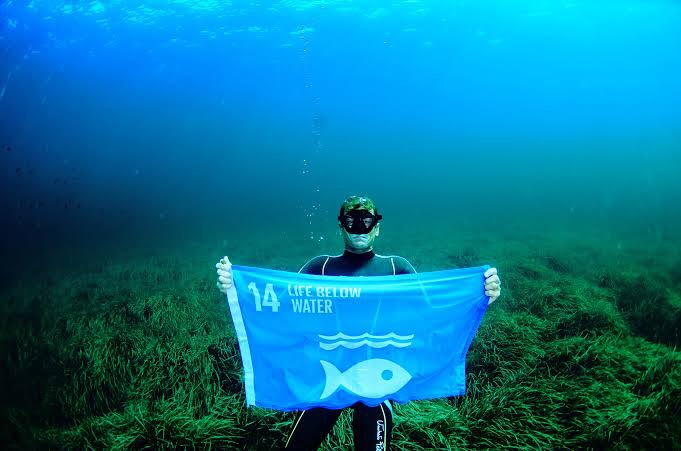
Without doubt, the sustainability of our oceans has risen up the political agenda in recent years, catalysed by the United Nations’ Sustainable Development Goals (SDGs) — 17 goals to end poverty, protect the planet, and ensure prosperity for all. Goal 14, “Life below water,” tackles the oceans, calling on the international community to end overfishing and restore fish stocks; protect ecosystems; and eliminate illegal, unreported and unregulated (IUU) fishing.
Like the other SDGS, it aims to galvanise industry, governments, NGOs and academics around a common framework for action. Like the others, it’s an ambitious goal with an ambitious 2030 deadline.
“There will be a higher number of pollutants factors like, polythenes,
plastic in the ocean than there will be fish,” said Peter Thomson, the 71st president of the United Nations General Assembly, in an interview with Africa Renewal.
Mr. Thomson’s dire warning is not a hyperbolic flourish: about 80% of ocean litter is plastics that, when ingested, can kill fish, seabirds, turtles, oysters and other creatures. Also, plastics washed ashore often damage agricultural land and discourage tourism.
Africa is primarily concerned with the
Africa’s policy makers and prominent Africans, including former UN Secretary- General Kofi Annan, are unhappy over the billions of dollars lost annually to illegal, unreported and unregulated fishing. The cost of illegal fishing to Somalia alone is about $300 million annually.
Mostly perpetrated by foreign fishing fleets, overfishing also disrupts ecosys- tems and endangers biodiversity. Currently some 37 types of fish are on a growing list of species becoming extinct in Africa, includ- ing octopus and grouper, which are hardly found these days in Mauritanian waters on the West African coast.
see page 39
he ocean is in deep trou- ble…. Marine pollution is taking us to a point where,
by 2050, there will be more
livelihoods of its millions of citizens, espe- cially those who live along the continent’s 30,500-kilometre coastline and depend on fish for food and income. Every year Kenya’s supermarkets alone use about 100 million plastic bags, many of which end up in the ocean. And more plastics, which do not rot, in the ocean means more deaths of sea creatures.
Africa’s coastal communities also grap- ple with a changing climate and overfish- ing. As a result of coastal erosion, whole communities in Mozambique have had to relocate, while Togo has suffered economic losses of about 2.3% of GDP, according to a 2016 World Bank report.
-The other main issues facing life under water and which is being needs to be looked upon quickly and the action to be taken should be effective is the issue of plastics disposal whereby people are careless and disposes plastics everywhere without developing that sense of humour of caring for the environment and just playing responsibility in making a conducive environment for this organisms.
Below are pictures that can make you u derstand what I simply mean by saying acquatic life is being destroyed.
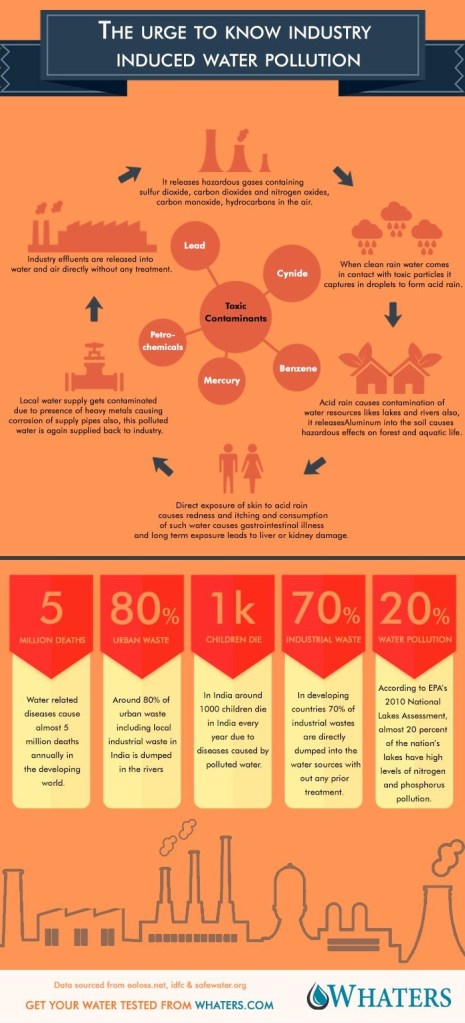
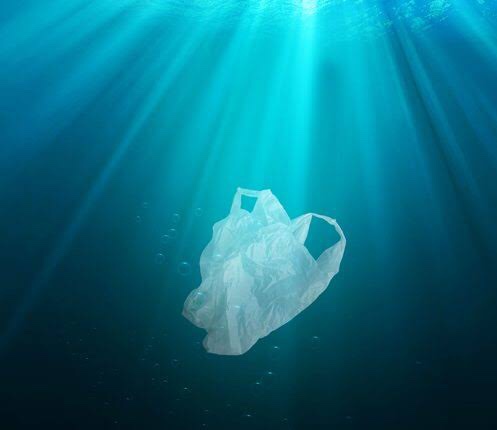
Its very dissapointing to all if you hear bad news like “99% of all seabirds will have injected plastic if nothing is done to reverse the trend“and this is according to the renowned American oceanographer Sylvia Earle.
The link above directs you and helps you understand this unfriendly environments for acquatic organisms.lets discourgae this and make the world a better place.
How to improve or make life under water better
Healthy oceans and seas are essential to our existence.They cover 70 percent of our planet and we rely on them for food, energy and water. Yet, we have managed to do tremendous damage to these precious resources. We must protect them by eliminating pollution and overfishing and immediately start to responsibly manage and protect all marine life around the world.
–
THE TARGETS
Everyone can help to make sure that we meet the Global Goals. Use these ten targets to create action to conserve and sustainably use the oceans.
REDUCE MARINE POLLUTION
By 2025, prevent and significantly reduce marine pollution of all kinds, in particular from land-based activities, including marine debris and nutrient pollution.
PROTECT AND RESTORE ECOSYSTEMS
By 2025, sustainably manage and protect marine and coastal ecosystems to avoid significant adverse impacts, including by strengthening their resilience, and take action for their restoration in order to achieve healthy and productive oceans.
REDUCE OCEAN ACIDIFICATION
Minimize and address the impacts of ocean acidification, including through enhanced scientific cooperation at all levels.
SUSTAINABLE FISHING
By 2025, effectively regulate harvesting and end overfishing, illegal, unreported and unregulated fishing and destructive fishing practices and implement science-based management plans, in order to restore fish stocks in the shortest time feasible, at least to levels that can produce maximum sustainable yield as determined by their biological characteristics.
CONSERVE COASTAL AND MARINE AREAS
By 2025, conserve at least 10 per cent of coastal and marine areas, consistent with national and international law and based on the best available scientific information.
END SUBSIDIES CONTRIBUTING TO OVERFISHING
By 2025, prohibit certain forms of fisheries subsidies which contribute to overcapacity and overfishing, eliminate subsidies that contribute to illegal, unreported and unregulated fishing and refrain from introducing new such subsidies, recognizing that appropriate and effective special and differential treatment for developing and least developed countries should be an integral part of the World Trade Organization fisheries subsidies negotiation.
INCREASE THE ECONOMIC BENEFITS FROM SUSTAINABLE USE OF MARINE RESOURCES
By 2030, increase the economic benefits to small island developing States and least developed countries from the sustainable use of marine resources, including through sustainable management of fisheries, aquaculture and tourism.
INCREASE SCIENTIFIC KNOWLEDGE, RESEARCH AND TECHNOLOGY FOR OCEAN HEALTH
Increase scientific knowledge, develop research capacity and transfer marine technology, taking into account the Intergovernmental Oceanographic Commission Criteria and Guidelines on the Transfer of Marine Technology, in order to improve ocean health and to enhance the contribution of marine biodiversity to the development of developing countries, in particular small island developing States and least developed countries.
SUPPORT SMALL SCALE FISHERS
Provide access for small-scale artisanal fishers to marine resources and markets.
- IMPLEMENT AND ENFORCE INTERNATIONAL SEA LAW Enhance the conservation and sustainable use of oceans and their resources by implementing international law as reflected in the United Nations Convention on the Law of the Sea, which provides the legal framework for the conservation and sustainable use of oceans and their resources, as recalled in paragraph 158 of “The future we want”.
MAINTAINING SAFER ACQUATIC ENVIRONMENT
1. Mind Your Carbon Footprint and Reduce Energy Consumption
Reduce the effects of climate change on the ocean by leaving the car at home when you can and being conscious of your energy use at home and work. A few things you can do to get started today: Switch to compact fluorescent light bulbs, take the stairs, and bundle up or use a fan to avoid oversetting your thermostat.
2. Make Safe, Sustainable Seafood Choices
Global fish populations are rapidly being depleted due to demand, loss of habitat, and unsustainable fishing practices. When shopping or dining out, help reduce the demand for overexploited species by choosing seafood that is both healthful and sustainable.
3. Use Fewer Plastic Products
Plastics that end up as ocean debris contribute to habitat destruction and entangle and kill tens of thousands of marine animals each year. To limit your impact, carry a reusable water bottle, store food in nondisposable containers, bring your own cloth tote or other reusable bag when shopping, and recycle whenever possible.
4. Help Take Care of the Beach
Whether you enjoy diving, surfing, or relaxing on the beach, always clean up after yourself. Explore and appreciate the ocean without interfering with wildlife or removing rocks and coral. Go even further by encouraging others to respect the marine environment or by participating in local beach cleanups.
5. Don’t Purchase Items That Exploit Marine Life
Certain products contribute to the harming of fragile coral reefs and marine populations. Avoid purchasing items such as coral jewelry, tortoiseshell hair accessories (made from hawksbill turtles), and shark products.
6. Be an Ocean-Friendly Pet Owner
Read pet food labels and consider seafood sustainability when choosing a diet for your pet. Never flush cat litter, which can contain pathogens harmful to marine life. Avoid stocking your aquarium with wild-caught saltwater fish, and never release any aquarium fish into the ocean or other bodies of water, a practice that can introduce non-native species harmful to the existing ecosystem.
7. Support Organizations Working to Protect the Ocean
Many institutes and organizations are fighting to protect ocean habitats and marine wildlife. Find a national organization and consider giving financial support or volunteering for hands-on work or advocacy. If you live near the coast, join up with a local branch or group and get involved in projects close to home.
8. Influence Change in Your Community
Research the ocean policies of public officials before you vote or contact your local representatives to let them know you support marine conservation projects. Consider patronizing restaurants and grocery stores that offer only sustainable seafood, and speak up about your concerns if you spot a threatened species on the menu or at the seafood counter.
9. Travel the Ocean Responsibly
Practice responsible boating, kayaking, and other recreational activities on the water. Never throw anything overboard, and be aware of marine life in the waters around you. If you’re set on taking a cruise for your next vacation, do some research to find the most eco-friendly option
10. Educate Yourself About Oceans and Marine Life
All life on Earth is connected to the ocean and its inhabitants. The more you learn about the issues facing this vital system, the more you’ll want to help ensure its health—then share that knowledge to educate and inspire others.
Thank you for reading my website and lets work hand in hand in making a peacefully environment to all the organisms sorrounding us and lets also care for those organisms that we don’t share the same habitats and through this we’ll be making the world a better place.
 SAFER LIFE UNDER WATER
You must be logged in to post a comment.